Frequently Asked Questions
What is an orthodontist?
An orthodontist is a dental specialist who focuses on correcting teeth and jaw alignment issues using braces, aligners, and other orthodontic treatments to improve oral health and create a straighter smile. They help patients achieve proper bite alignment and overall dental harmony.
How much do braces cost?
The cost of braces can vary depending on the type of treatment needed and the duration of care. On average, traditional metal braces typically range from $3,000 to $7,000. Invisalign treatment may cost between $4,000 to $8,000. However, it's best to schedule a consultation with an orthodontist for an accurate estimate based on your specific needs. Additional factors like insurance coverage and payment plans can also impact the final cost.
What services do orthodontists offer?
Orthodontists offer services such as braces, Invisalign, retainers, and other orthodontic treatments to help align teeth and jaws for improved oral health and aesthetics. They provide consultations, treatment plans, adjustments, and ongoing care to achieve straighter smiles and proper bite alignment.
How long does orthodontic treatment last?
The duration of orthodontic treatment varies depending on individual needs, but typically lasts between 18 to 36 months. Factors such as the severity of the orthodontic issues, type of treatment, and patient compliance can influence the length of treatment. Regular appointments and following the orthodontist's instructions can help achieve the best results in the estimated time frame.
Can adults benefit from orthodontics?
Adults can benefit from orthodontic treatment to improve their smile, bite alignment, and overall oral health. Orthodontic options like braces or Invisalign can address issues such as overcrowding, misalignment, and jaw pain. Consultation with an orthodontist can determine the best treatment plan for adult orthodontic needs.
What types of braces are available?
At Hansen Orthodontics, we offer various types of braces, including traditional metal braces, clear ceramic braces, and Invisalign clear aligners. Each option provides effective treatment for straightening teeth, catering to different preferences and needs. Our team will help you choose the best option for your orthodontic journey.
How often should you visit an orthodontist?
It is recommended to visit an orthodontist every 4 to 8 weeks for adjustments and progress checks during orthodontic treatment. Regular visits help ensure the treatment plan is on track and allow for any necessary modifications to be made for optimal results.
What age should children see an orthodontist?
Children should see an orthodontist for an initial evaluation around the age of 7. Early assessment can help detect and address any potential orthodontic issues, leading to more effective treatment outcomes. Regular check-ups can monitor development and determine the optimal time for treatment if needed.
Are there alternatives to traditional braces?
Yes, alternatives to traditional braces include clear aligners like Invisalign, lingual braces, and ceramic braces. These options offer more discreet treatment while still effectively straightening teeth. It's best to consult with an orthodontist to determine the most suitable option for your specific needs.
What is Invisalign and how does it work?
Invisalign is a type of clear aligner system that straightens teeth without traditional braces. Custom-made aligners are worn over the teeth and gradually shift them into the desired position. Patients receive a series of aligners to wear and change every few weeks as the teeth move.
How can orthodontics improve oral health?
Orthodontics can enhance oral health by correcting misaligned teeth, improving bite function, and reducing the risk of issues like gum disease and tooth decay. Properly aligned teeth are easier to clean, leading to better overall oral hygiene and preventing potential long-term dental problems.
What is the process for getting braces?
To get braces at Hansen Orthodontics, start with a free consultation. Dr. Hansen and the team will assess your needs. Once you decide to proceed, appointments will be scheduled for the fitting and adjustments. The friendly staff will guide you through the process, ensuring a comfortable experience.
Can braces fix an overbite or underbite?
Braces can help correct mild to moderate overbites or underbites by gradually shifting the teeth and jaw into proper alignment. Severe cases may require additional orthodontic treatment or surgery for optimal results. Consult with an orthodontist to determine the best course of action for your specific situation.
How does orthodontic insurance coverage work in Kansas?
Orthodontic insurance coverage in Kansas typically includes a percentage of the total treatment cost up to a specified limit. Patients may need to meet a deductible before coverage begins. Pre-authorization is often required for orthodontic procedures. It's essential to check with your insurance provider for specific details on coverage and any exclusions.
What qualifies someone as a good candidate for braces?
A good candidate for braces typically has misaligned teeth, bite issues, or overcrowding. Age is not a barrier, as both children and adults can benefit. Good oral hygiene and commitment to follow-up appointments are essential. Consultation with an orthodontist will determine the best treatment plan.
Do braces require special oral hygiene practices?
Yes, braces require special oral hygiene practices to maintain dental health. Patients should brush after every meal, floss daily, use interdental brushes, and rinse with fluoride mouthwash. Regular dental check-ups are crucial to prevent issues like cavities and gum disease.
Are there foods to avoid with braces?
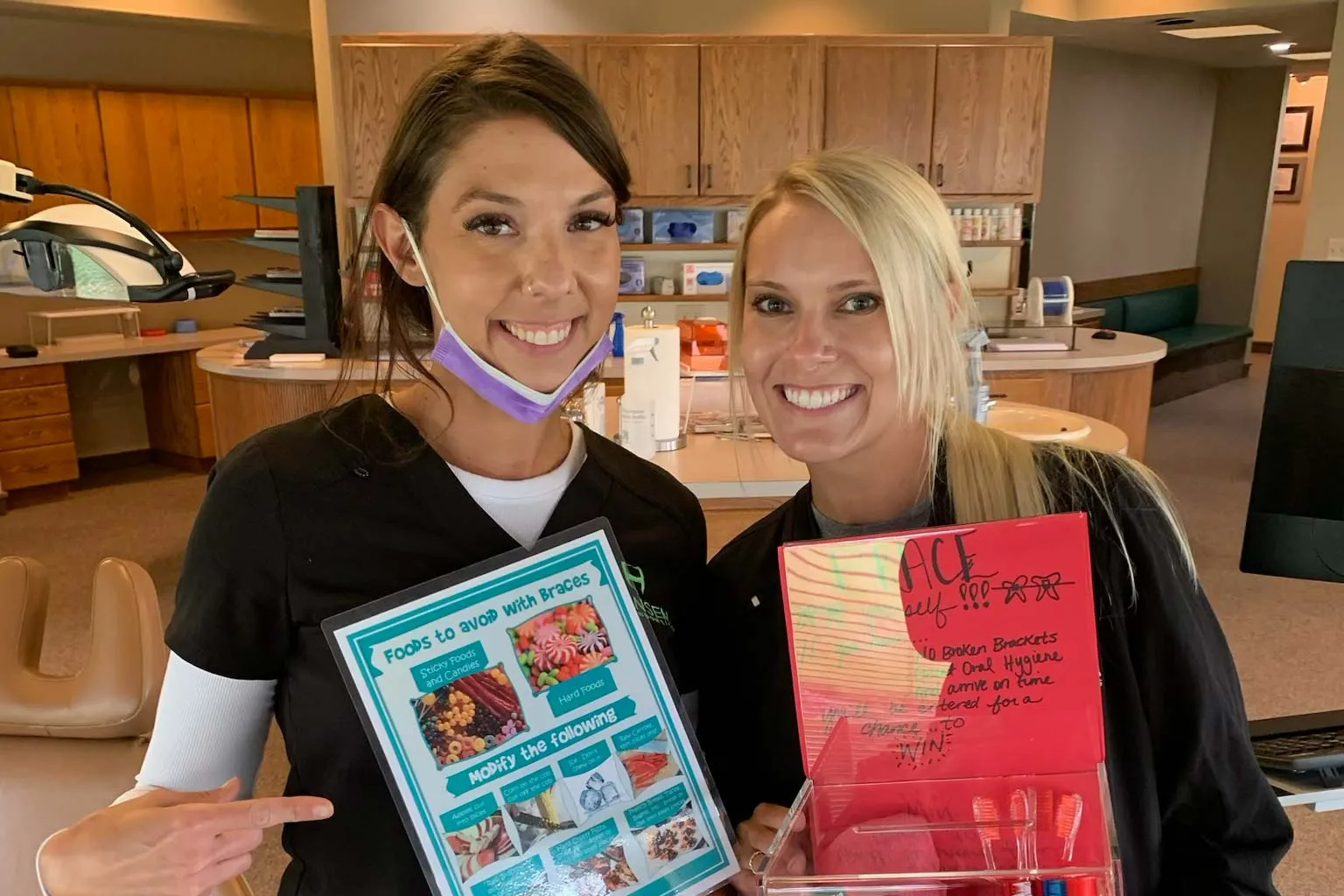
When wearing braces, it's best to avoid sticky, hard, or chewy foods like gum, popcorn, nuts, and hard candies. These can damage braces or get stuck, leading to discomfort or longer treatment times. Stick to soft, braces-friendly foods to prevent issues and maintain good oral hygiene.
How do retainers work after braces?
Retainers work after braces by maintaining the new position of your teeth. They prevent shifting by holding teeth in place, allowing the bone and tissues to adapt to the new alignment. Retainers are typically worn full-time initially, then transitioned to nighttime wear for long-term stability.
What is the average cost for Invisalign?
The average cost for Invisalign treatment typically ranges from $3,000 to $7,000, depending on various factors such as the complexity of the case, the duration of treatment, and the specific needs of the patient. Additional costs may include retainers and follow-up appointments. It's best to schedule a consultation for an accurate estimate.
Can orthodontic issues resolve without treatment?
Orthodontic issues typically do not resolve without treatment. Without intervention, issues like misaligned teeth or jaw problems can worsen over time, leading to potential oral health issues. Seeking orthodontic care from a professional is crucial for addressing and correcting these concerns effectively.
How do braces impact speech?
Braces can initially affect speech due to adjustments in tongue and lip movements. Patients may experience temporary changes in pronunciation or speech clarity. With practice, speech typically improves as the mouth adapts to the braces. Proper orthodontic care and regular adjustments can help minimize speech impacts during treatment.
What are the signs you need orthodontic care?
Signs you may need orthodontic care include crowded or crooked teeth, difficulty chewing or biting, speech issues, protruding teeth, mouth breathing, thumb sucking past age 5, jaws that shift or make sounds, and biting the cheek or roof of the mouth. If you experience any of these, consult an orthodontist.
Do orthodontists treat TMJ disorders?
Orthodontists can help with TMJ disorders by providing treatments like braces or oral appliances to correct misalignments that contribute to TMJ issues. However, for comprehensive TMJ treatment, a patient may need to see a specialist like a maxillofacial surgeon or a TMJ specialist.
How does orthodontic technology improve treatment?
Orthodontic technology improves treatment by offering options like Invisalign for discreet alignment, digital scanning for precise measurements, and accelerated orthodontics for faster results. These advancements enhance patient comfort, treatment accuracy, and overall efficiency in achieving optimal results.
What are ceramic braces and their benefits?
Ceramic braces are orthodontic appliances made of clear or tooth-colored materials, blending with teeth for a less noticeable appearance. Their benefits include being less visible than traditional metal braces, making them a popular choice for those concerned about aesthetics during orthodontic treatment. Ceramic braces are also durable and effective in correcting alignment issues.
Is there a difference between adult and child braces?
Adult and child braces may differ in treatment duration, complexity, and aesthetic options. Adults often require longer treatment due to fully developed jaws, while children's treatments may focus on guiding jaw growth. Adults may opt for clear aligners for a discreet look, while children may prefer colorful braces. Ultimately, both types aim to achieve a straight, healthy smile.
How to choose the right orthodontist?
When choosing an orthodontist, consider factors like experience, patient reviews, and office atmosphere. Look for a family-oriented practice with a friendly team. Ensure the orthodontist communicates well and offers convenient locations. Request a free consultation to meet the team and discuss treatment options.
What are the risks of delaying orthodontic treatment?
Delaying orthodontic treatment can lead to worsening alignment issues, increased risk of tooth decay and gum disease, jaw pain, speech difficulties, and self-esteem issues. It's essential to address orthodontic concerns promptly to prevent potential complications and achieve optimal oral health and aesthetics.
How do braces straighten teeth over time?
Braces apply continuous pressure on teeth, causing them to shift gradually. This pressure stimulates bone remodeling, allowing teeth to move into the correct position. Over time, this process aligns teeth and corrects the bite. Regular adjustments ensure steady progress towards a straighter smile.
What maintenance is required post-orthodontic treatment?
After orthodontic treatment, maintenance includes wearing retainers as directed, attending follow-up appointments, practicing good oral hygiene, and avoiding hard/sticky foods. Regular dental check-ups are essential for long-term oral health. Follow the orthodontist's instructions to maintain the results achieved during treatment.