Frequently Asked Questions
How much do braces cost in Kansas?
The cost of braces in Kansas can vary depending on the type of braces chosen and the individual treatment plan. On average, traditional metal braces in Kansas can cost between $3,000 to $7,000. Invisalign treatment typically ranges from $4,000 to $8,000. Additional factors like insurance coverage and any necessary procedures may also impact the overall cost. It's best to schedule a consultation with an orthodontist for an accurate estimate.
What is an orthodontist?
An orthodontist is a dental specialist who focuses on correcting teeth and jaw alignment issues using treatments like braces and Invisalign. They help improve oral health, bite function, and create straighter smiles for patients of all ages.
What are common orthodontic treatments offered?
Common orthodontic treatments offered include braces (metal, ceramic, self-ligating), Invisalign, two-phase treatment, TMJ/TMD treatment, accelerated treatment, airway orthodontics, surgical orthodontics, mouthguards, and retainers. Each treatment is tailored to address specific orthodontic needs and goals for patients of all ages.
How long does orthodontic treatment take?
The duration of orthodontic treatment varies based on individual needs but typically lasts between 18 to 36 months. Factors like treatment complexity, patient age, and adherence to care instructions influence the timeline. Regular appointments and following the orthodontist's guidance can help achieve optimal results efficiently.
What should I expect during my first visit?
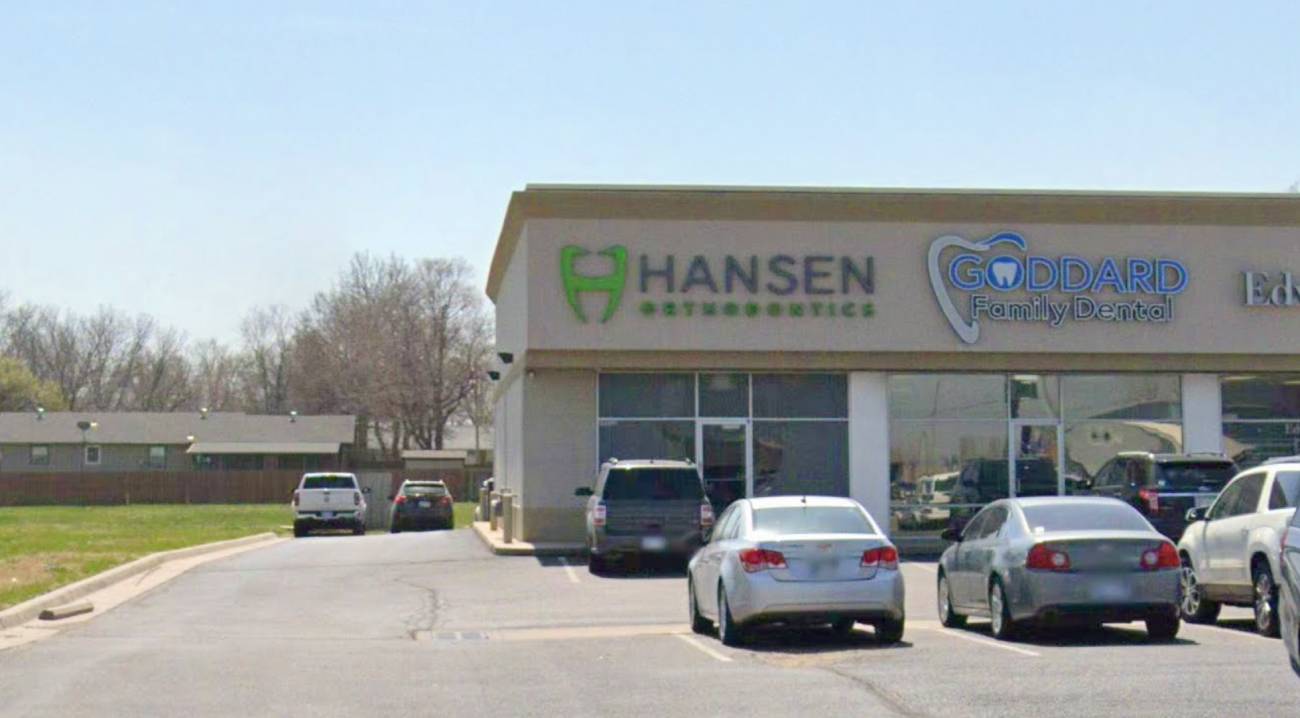
During your first visit to Hansen Orthodontics in Goddard, KS, you can expect a warm welcome from our friendly team. Your initial appointment will involve a comprehensive examination, discussion of treatment options, and a personalized plan tailored to your needs. We'll address any questions or concerns you may have, ensuring you feel comfortable and informed about your orthodontic journey.
Can adults benefit from orthodontic care?
Yes, adults can benefit from orthodontic care. Orthodontic treatment can improve oral health, correct misalignments, enhance aesthetics, and boost confidence in adults. Options like braces and Invisalign cater to adult orthodontic needs effectively. Consulting with an orthodontist can determine the best treatment plan for adult patients.
What types of braces are available?
At Hansen Orthodontics in Goddard, KS, we offer various types of braces to suit different needs and preferences, including Traditional Metal Braces, Clear Ceramic Braces, Gold Braces, Champagne (Rose Gold) Braces, and Self-Ligating Braces. Our experienced team will guide you through selecting the most suitable option for your orthodontic treatment journey.
How do I maintain oral hygiene with braces?
Maintaining oral hygiene with braces is crucial. Use a soft-bristled brush and fluoride toothpaste, floss with a floss threader or orthodontic floss, rinse with mouthwash, and attend regular dental cleanings. Avoid sticky, hard, or sugary foods, and brush after every meal to keep your teeth and braces clean.
Are there financing options for orthodontic treatment?
Yes, Hansen Orthodontics offers financing options for orthodontic treatment. Patients can inquire about flexible payment plans and insurance coverage to make orthodontic care more affordable. Contact the office for detailed information on financing options tailored to individual needs.
What is the best age for starting braces?
The best age for starting braces is typically between 10 to 14 years old when the child has a mix of adult and baby teeth. However, orthodontic treatment can be successful at any age, depending on individual needs and goals. Early evaluation by an orthodontist is key to determine the most suitable timing for braces.
Can I see examples of your treatment results?
To see examples of our treatment results, you can view patient reviews on our website. Our before-and-after gallery showcases successful orthodontic transformations. Additionally, during your consultation, we can share specific cases relevant to your treatment needs.
How often are orthodontic appointments scheduled?
Orthodontic appointments are typically scheduled every 4 to 8 weeks, depending on the treatment plan and progress. Regular visits are crucial for adjustments, monitoring, and ensuring the treatment stays on track.
What is Invisalign and how does it work?
Invisalign is a modern orthodontic treatment that uses clear aligners to straighten teeth. These aligners are custom-made, removable, and virtually invisible. Patients wear a series of aligners that gradually shift teeth into the desired position. Treatment length varies based on individual needs.
Are retainers necessary after braces?
Retainers are essential after braces to maintain the teeth's new position. They help prevent shifting and ensure long-term results. Regular wear per your orthodontist's instructions is crucial for successful orthodontic treatment.
How do I prepare for orthodontic treatment?
To prepare for orthodontic treatment, follow these steps:
Attend a consultation to discuss treatment options.
Understand the recommended treatment plan.
Prepare for any necessary dental work before starting orthodontic treatment.
Discuss payment options and insurance coverage.
Follow pre-treatment instructions provided by your orthodontist.
What is the difference between a dentist and orthodontist?
Orthodontists specialize in aligning teeth and jaws, while dentists focus on overall oral health, including cleanings, fillings, and general dental care. Orthodontists require additional training beyond dental school to become experts in orthodontic treatments like braces and Invisalign.
Can orthodontic issues be prevented?
Orthodontic issues can be prevented or minimized by early orthodontic evaluations, proper oral hygiene, avoiding habits like thumb sucking, and wearing mouthguards during sports. Regular dental check-ups and prompt treatment of any emerging issues can also help prevent more significant orthodontic problems in the future.
Is there a warranty on orthodontic work?
Orthodontic work typically does not come with a warranty. However, most orthodontists offer a guarantee on their treatment outcomes, ensuring that if any issues arise post-treatment, they will be addressed. It's essential to discuss specific guarantees and post-treatment care with your orthodontist before starting treatment.
What emergency care is available for orthodontic patients?
In case of orthodontic emergencies, patients can contact our office for guidance. Common issues like loose brackets, poking wires, or discomfort can often be addressed over the phone. If necessary, we can schedule an emergency appointment to resolve the problem promptly and ensure patient comfort.
Are there alternatives to traditional metal braces?
Yes, alternatives to traditional metal braces include clear ceramic braces, Invisalign, gold braces, champagne (rose gold) braces, and self-ligating braces. Each option offers unique benefits and aesthetics to suit individual preferences and orthodontic needs.
How does one choose the right orthodontist?
When choosing the right orthodontist, consider factors like experience, technology used, treatment options offered, patient reviews, and location convenience. Schedule a consultation to assess the orthodontist's approach, communication style, and overall comfort level. Trust your instincts and choose an orthodontist who prioritizes your individual needs and provides a welcoming environment for your orthodontic journey.
What new technologies are used in orthodontics today?
Modern orthodontics utilizes advanced technologies such as digital scanners for impressions, 3D imaging for treatment planning, and custom 3D-printed aligners for Invisalign. Cone-beam CT scans aid in precise diagnosis, while self-ligating braces reduce friction and treatment time. These technologies enhance efficiency and patient comfort in orthodontic treatment.
How can I manage discomfort from braces?
To manage discomfort from braces, try these tips:
Rinse with warm saltwater
Use orthodontic wax on wires
Take over-the-counter pain relievers
Eat soft foods
Apply a cold compress
What foods should I avoid with braces?
When wearing braces, it's best to avoid sticky, hard, or chewy foods to prevent damage. Foods to avoid include gum, hard candies, nuts, popcorn, and sticky candies. Opt for softer options like yogurt, pasta, and soft fruits to protect your braces and teeth.
How do braces fix overbites or underbites?
Braces can help fix overbites or underbites by gradually shifting the teeth into proper alignment. This process corrects the jaw positioning, improving the bite and overall oral health. Additional treatments may be needed for severe cases. Regular adjustments ensure progress and optimal results.
What type of retainer will I receive?
At Hansen Orthodontics, you will receive a retainer customized to your needs, whether it's a traditional Hawley retainer or a clear Essix retainer. Our team will guide you on the best option to maintain your beautiful smile post-treatment.
How frequently should I clean my braces?
You should clean your braces after every meal and snack to prevent plaque buildup and maintain oral hygiene. Brush gently with fluoride toothpaste and use floss threaders or interdental brushes to clean between wires and teeth. Regular dental check-ups are essential for optimal oral health.
Can I play sports while wearing braces?
Yes, you can play sports while wearing braces. It's recommended to wear a mouthguard to protect your braces and teeth during physical activities. Discuss specific concerns with your orthodontist for personalized advice.
How do braces impact my daily life?
Braces may initially affect speech and eating habits, but adjustments are quick. Regular oral hygiene routines are crucial. Avoid hard, sticky foods and follow orthodontist instructions. Braces lead to a straighter smile and improved oral health in the long run.
Whats involved in an orthodontic consultation?
During an orthodontic consultation, the orthodontist will assess your teeth, jaw, and bite, discuss treatment options, and create a personalized plan. X-rays, photos, and impressions may be taken. The orthodontist will explain the process, timeline, and cost, addressing any questions or concerns you may have.